State Marine Archeologist at the Texas Historical Commission (THC)
M.A. (2004)
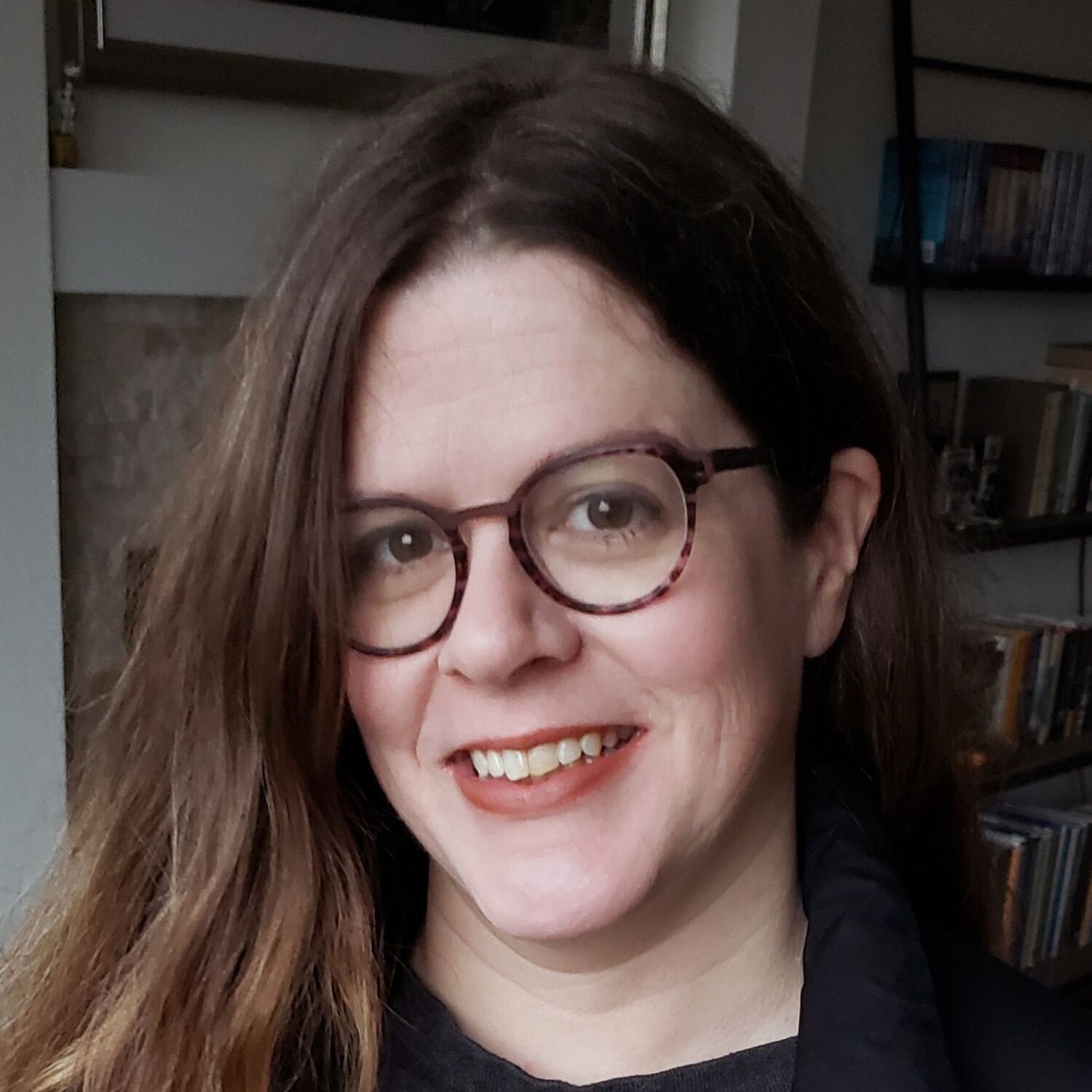
Amy Borgens is the State Marine Archeologist at the Texas Historical Commission (THC). She joined the THC in 2010 after working for six years in underwater and terrestrial cultural resources management. She graduated with a B.A. in Fine Arts from Purdue University and began work at the Conservation Research Laboratory in the summer of 1997. She enrolled in the Nautical Archeology Program (NAP) at Texas A&M University (TAMU) that fall. She graduated with an M.A. from the NAP in 2004 and completed a Ph.D. in the Department of Geography and Environmental Studies at Texas State University in December 2025.
Dr. Borgens has been associated with notable Texas shipwreck projects, including La Belle (1686), USS Westfield (1863), and Will-o-the-Wisp (1865). In addition, she assisted in the excavation of Oklahoma’s only shipwreck archeological site, Heroine (1838), and the investigations of early 19th-century shipwrecks at depths exceeding 4,000 ft. in the Gulf of Mexico (the Mardi Gras and Monterrey Shipwreck Projects). Collectively, she has worked on sites dating from the Byzantine Period to the mid-20th century in Louisiana, Oklahoma, Texas, Canada, Turkey, the Gulf, and the Falkland Islands. As an author or coauthor, she has collectively produced more than 50 reports, articles, and chapters in peer-reviewed journals and industry publications, including (as an author and co-editor) La Belle: The Archeology of a 17th Century Ship of New World Colonization, recipient of the 2017 Keith Muckelroy Award.
“My studies both in the Nautical Archeology Program (NAP) and work directed by Dr. Donny Hamilton at the Conservation Research Laboratory (CRL) have been foundational to my current profession (and hobby). I had not originally intended to study underwater archeology but was persuaded by my undergraduate history professor Dr. Gordon Young (at Purdue, a colleague of Dr. George Bass) to apply to the NAP, due in part to my background in history/art history and as a photorealistic artist.
I was unaware at the time of the future influence of this decision. In addition to the training and skills developed through course studies and as a photographer, radiographer, and conservator at the CRL, I developed amazing lifelong friendships and professional contacts through this graduate work. I participated in two field schools (Bozburun and the Red River Wreck) and a student-supervised project for the Institute of Nautical Archaeology (Wreck Baker in Deadman Bay, Canada). I still benefit from the lessons and skills acquired from these projects, which included both hull and artifact documentation. Without these experiences, I would not be in the professional role I have today, as the State Marine Archeologist at the Texas Historical Commission.
I also very fondly remember my time living in the “Nautical Block” in Bryan with neighbors such as John Hamilton, Mike Scafuri, and Peter Hitchcock (among others – Starr Cox would later live in my house). The program was transitioning when I was a student, with Richard Steffy and Dr. Frederick van Doorninck recently retired, but both were frequently in the department—I believe I took Dr. Bass’ last graduate class. My main professors were Drs. Donny Hamilton, Fred Hocker, Cemal Pulak, Shelley Wachsmann, and Wayne Smith. Drs. Felipe Castro and Deborah Carlson joined the ranks before I graduated. Dr. Hamilton, Dr. Helen Dewolf, and Jim Jobling were invaluable guidance in my more than 6 years employed at the CRL. These friendships and the communities that were formed during my time at the NAP are an indelible part of my personal and professional life.”


- Amy Borgens retrieving an amphora during the Bozburun Project in 1998
- Amy Borgens suiting up to dive at Bozburun in 1998
- Amy Borgens with CRL Alumni Bryan Mason, Jason Barrett and John Faucher in 2010
- Amy Borgens and NAP graduate Sara (Hoskins) Laurence diving Neches Belle with PBS&J in 2009.