Established in 1976, the Nautical Archaeology Program (NAP) was the first academic program in the United States to offer a graduate degree in the archaeology of ships and history of seafaring. The NAP curriculum focuses on the history of wooden ship construction; seafaring through the ages; maritime commerce, cargoes, and ports; and the techniques used to record, analyze and conserve the archaeological remains of these activities.
Nautical Archaeology Program
The Nautical Archaeology Program (NAP) at Texas A&M University is the oldest academic degree-granting graduate program in the U.S. devoted to the study of boats and ships and the cultures that created and used them. NAP Faculty provide instruction in the history of seafaring and wooden ship construction; maritime commerce and cargoes; the skills needed to record, excavate, analyze, and conserve the archaeological remains of these activities.
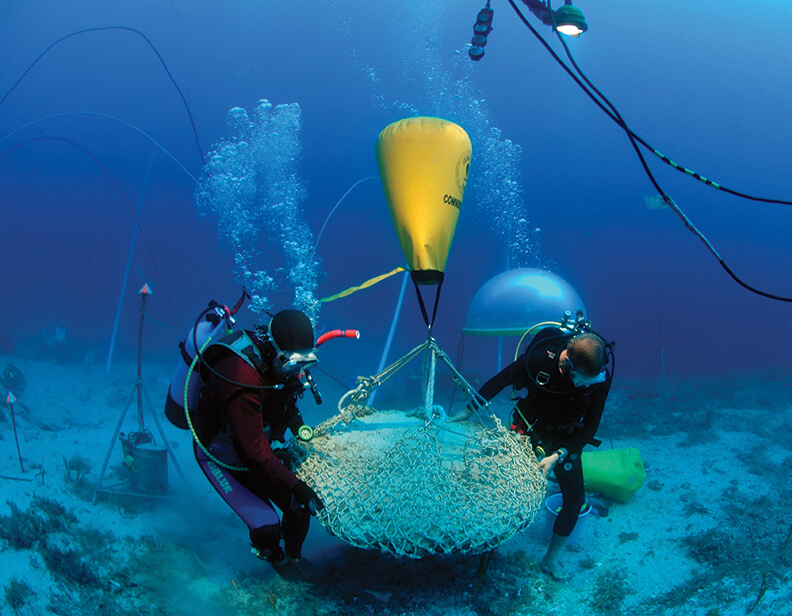

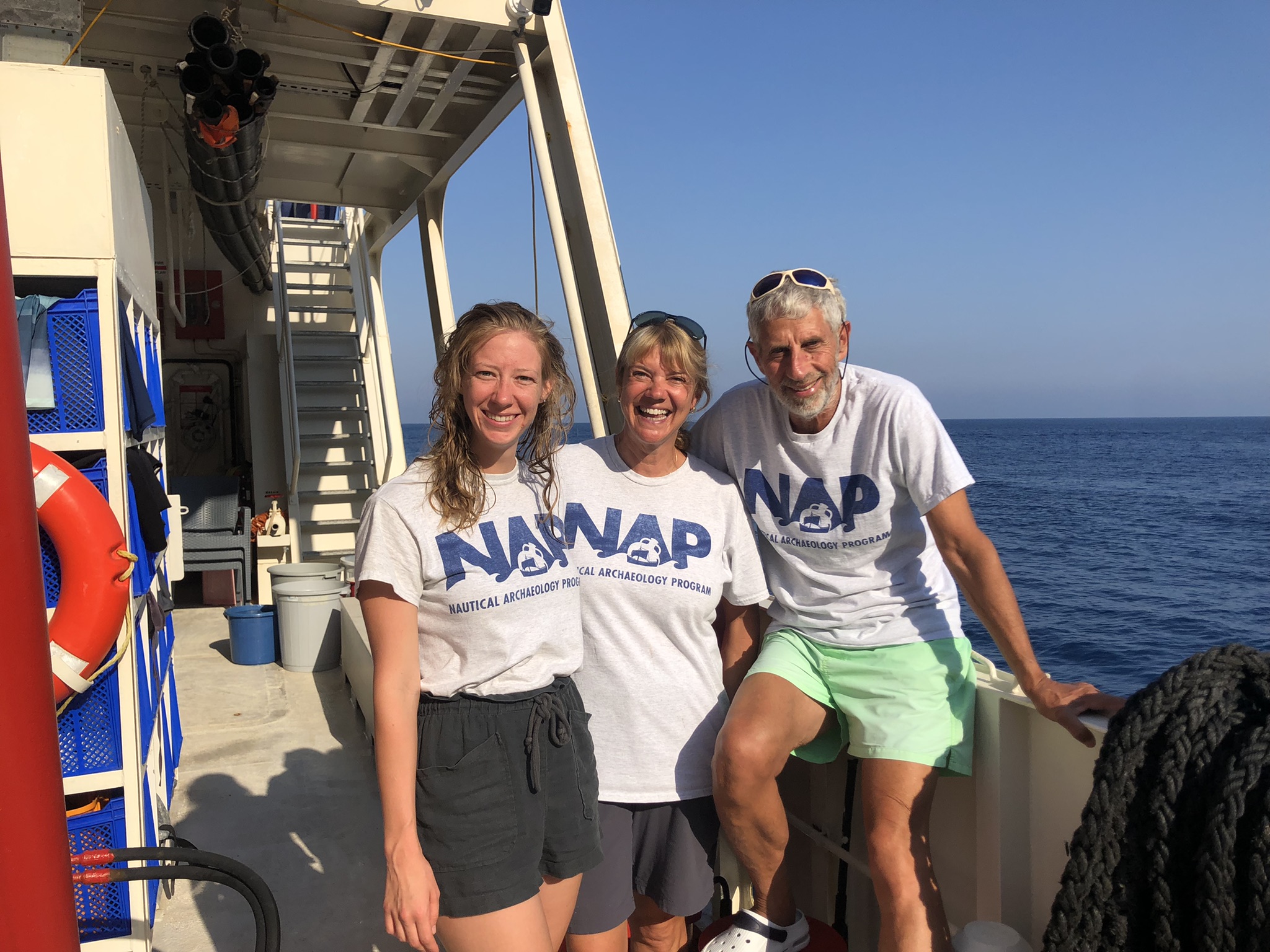
Nautical archaeology is the study of the remains of boats and ships and the cultures who created and used them. The mission of the Nautical Archaeology Program is to acquire and disseminate knowledge about seafaring and maritime history around the world.

NAP was founded in 1976 as a graduate program. Students can earn an M.S. in Maritime Archaeology and Conservation or a Ph.D. in Anthropology with a specialization in Nautical Archaeology.
Undergraduates at Texas A&M University have the option of earning a minor in Nautical Archaeology, and non-degree-seeking students may choose to pursue a certificate in Archaeological Artifact Conservation.
Event
Calling All Nauties to NAP's 50th Birthday Party!
In May we celebrate the 50th birthday of the Nautical Archaeology Program, which coincides with the bittersweet retirement of Professor Kevin Crisman. Join us in College Station to connect with old NAP friends and make new ones! See the invitation for the schedule of events and links to RSVP and make hotel reservations. We hope to see many of you May 15-17, 2026!
RECENT NEWS
NAP at Conferences (2027)
Several NAP faculty and students are presenting at two different conferences this January: the Archaeological Institute of America (AIA) conference and the Society for Historical Archaeology (SHA) conference. Archaeological Institute of America (AIA) Dr. Cemal Pulak and NAP Alumni Michael…

Final Fragment of the Cannon from the Battle of Valcour Bay Found and Retrieved by NAP Archaeologists
During the Battle of Valcour Bay in 1776, one of the cannons on the Gunboat New York exploded, killing one sailor and injuring at least one other. Most of the cannon was found by Edward Scollon almost 30 years ago but…
FORMER STUDENT SPOTLIGHT

Amy Borgens (M.A. 2004), State Marine Archeologist at the Texas Historical Commission (THC)
“My studies both in the Nautical Archeology Program (NAP) and work directed by Dr. Donny Hamilton at the Conservation Research Laboratory (CRL) have been foundational to my current profession (and hobby). I had not originally intended to study underwater archeology but was persuaded by my undergraduate history professor Dr. Gordon Young (at Purdue, a colleague of Dr. George Bass) to apply to the NAP, due in part to my background in history/art history and as a photorealistic artist…’”